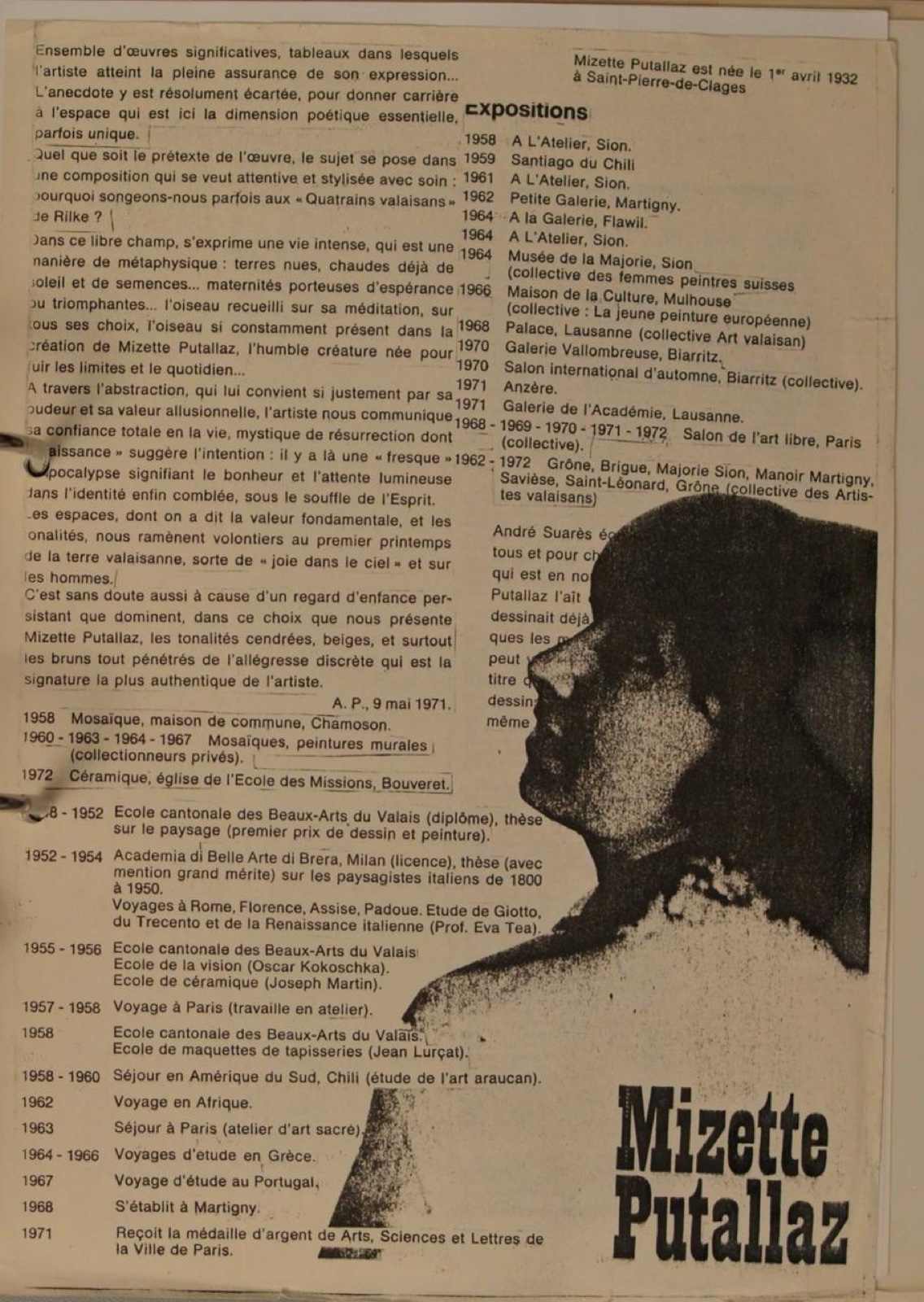
Born Marie-Rose Putallaz in 1932 in Saint-Pierre de Clages. Valais painter. First graduate of the Cantonal School of Fine Arts in 1953. Student of Oskar Kokoschka. Instigator of La Voûte.
Portrait
A life in painting.
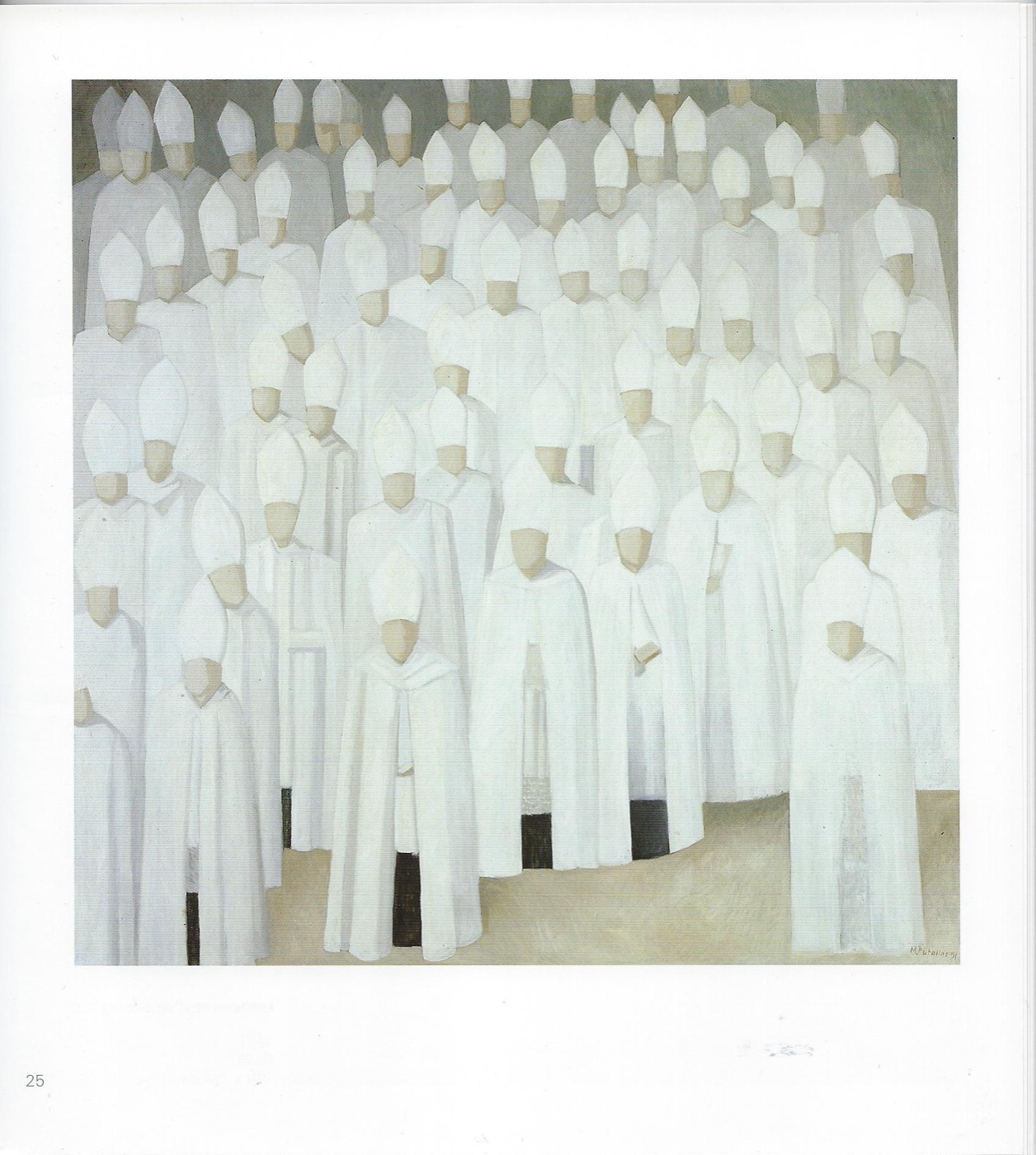
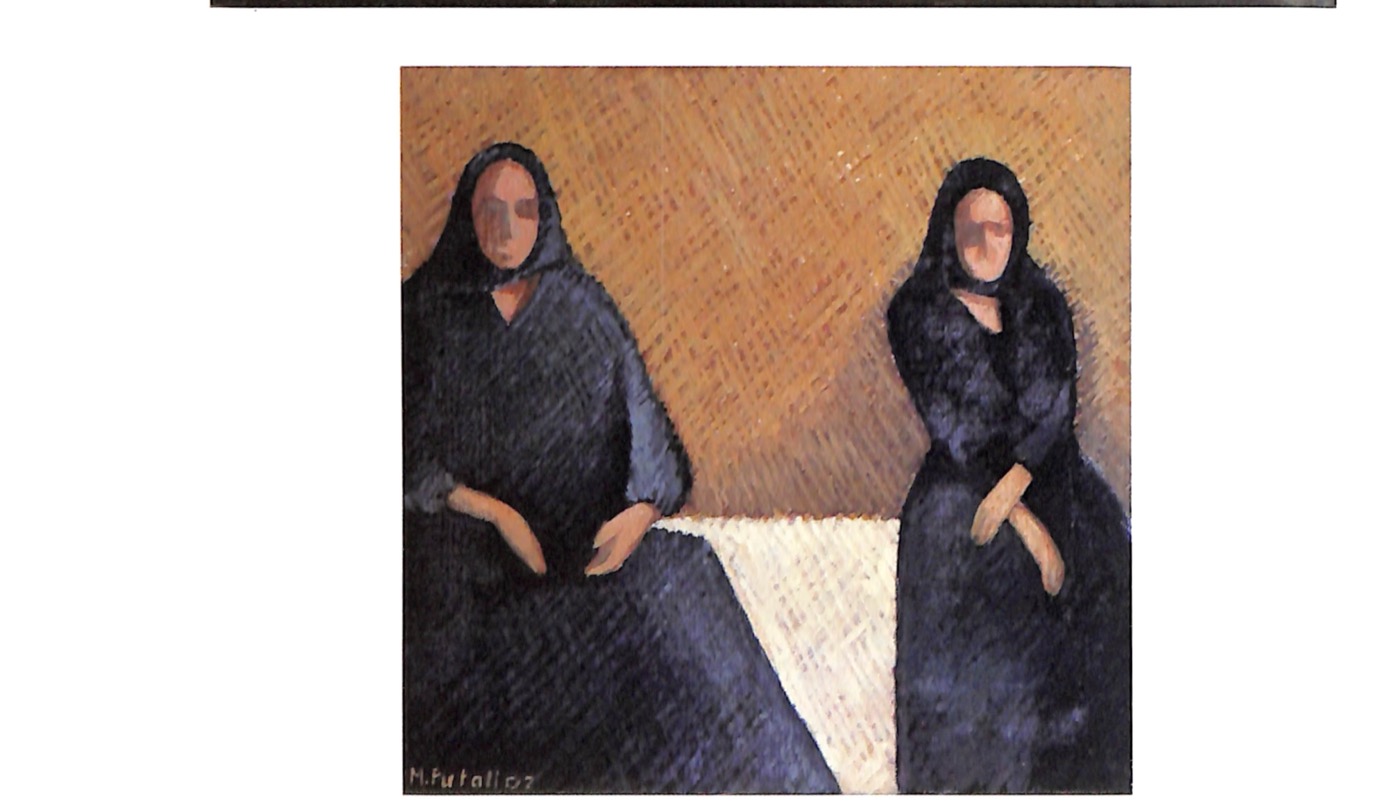
Her birds, her flowers, her gaze-less faces adorn chapels and schools across Valais. In 1953 she received a diploma she had to design herself.
“Mizette” is a Valais nickname; Putallaz means “small in stature”. Everything begins in the wine village of Saint-Pierre de Clages, where her father is a winegrower and her mother encourages her — “my father thought my houses had walls that were a bit twisted, awkward, but my mother always encouraged me”. First memories: “during winter, fresh snow had fallen, I saw bird tracks”. She would draw forever after.
N° 1First graduate EDHEA · 1953
ArgentMedal of Arts, Sciences & Letters · France
OrMedal of the French Renaissance
PresidentHeritage Switzerland Valais (1987–1994)
Art lies in the middle — between pure thought and the immediate sensible.
— Mizette Putallaz
Origins & masters
A school and its figures.
From Saxon to Milan, from Sion to Santiago: a training crossing paths with the greatest masters of European modern art.
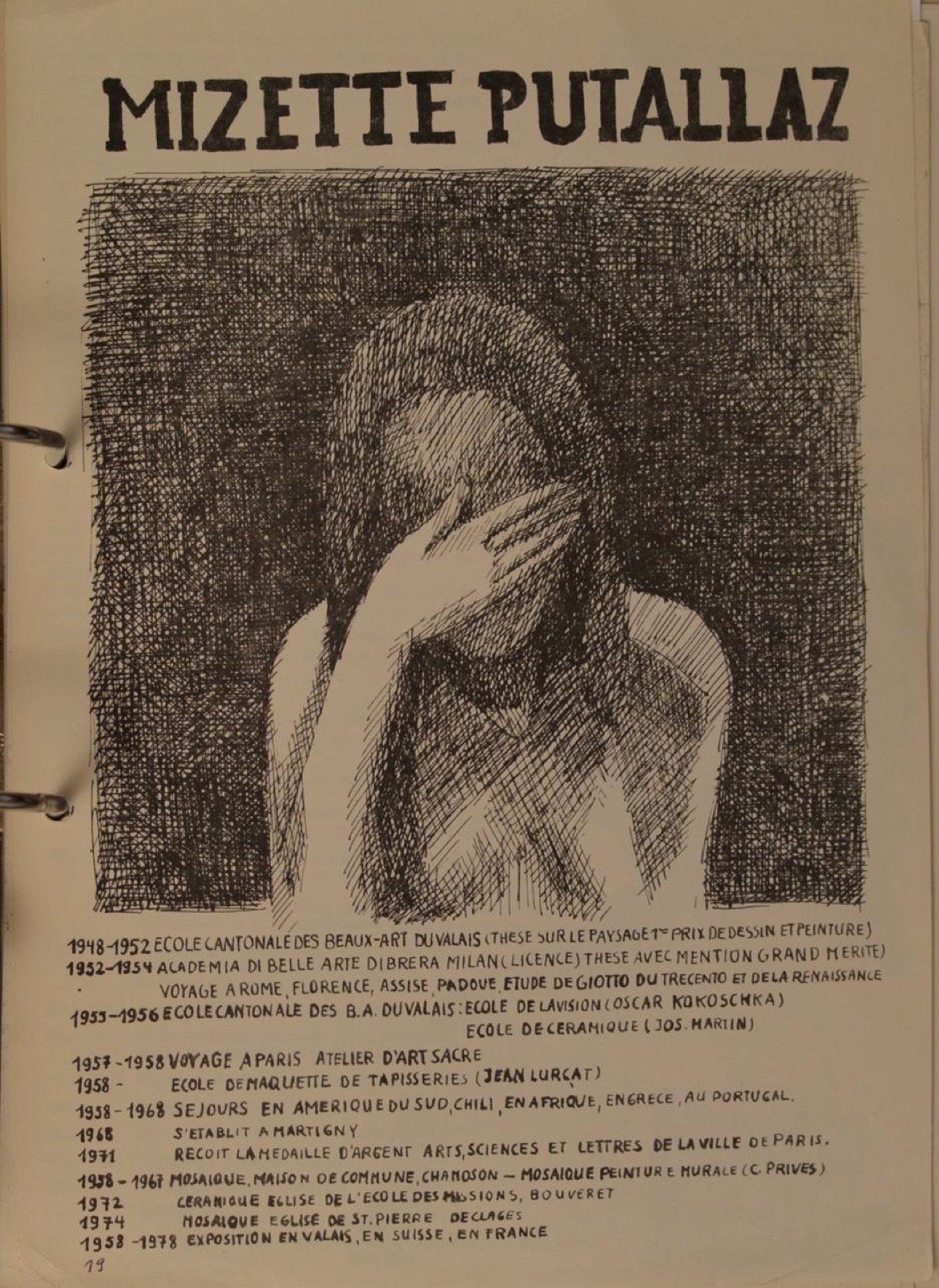
On Thursday 20 October 1949, the painter Fred Fay inaugurated the Cantonal School of Fine Arts in Saxon. Mizette Putallaz received student card number 1. Four years would follow — three in Saxon, one in Sion — and through the layout class she would design her own diploma in 1953.
The Brera Academy in Milan (1952-1954) opened her to the Trecento — Giotto, the Renaissance. Back home, she followed the School of Vision of Oskar Kokoschka (1955-56), then the tapestry workshop of Jean Lurçat in 1958.
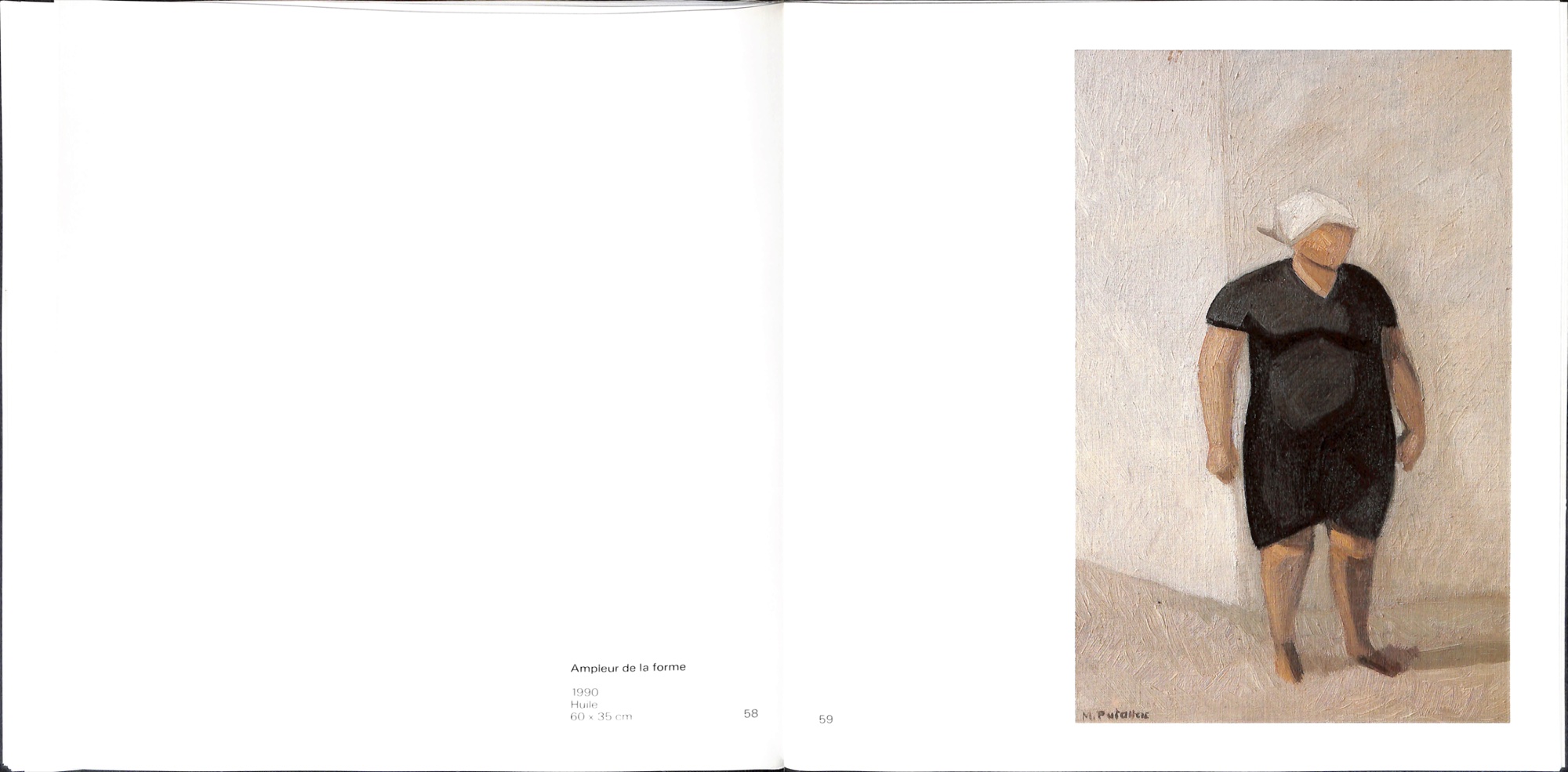
The space around the figure matters more than the figure itself. My faceless figures come from that period.
Mizette Putallaz · on Oskar Kokoschka
Then the travels that shaped her palette: Chile and South America (1958-1960), Africa (1962), Paris and the sacred-art studio (1963), Greece (1964-1966), Portugal (1967). In 1969 she settled in Martigny. 1971 · Silver Medal of Arts, Sciences and Letters from the City of Paris.
Over there I had no canvas, no paint. That’s what created my style — it came from need!
Mizette Putallaz · on Chile
1932
Saint-Pierre de Clages
Birth of Marie-Rose Putallaz in the wine village. Her father a winegrower, her mother encourages her drawing.
1949
No. 1 in Saxon
Fred Fay inaugurates the Cantonal School of Fine Arts in Saxon. Mizette receives student card number 1.
1952
Brera Milan
Académia di Belle Arte di Brera. Discovery of Giotto, the Italian Trecento and the Renaissance.
1953
Graduated
First graduate of the Valais Cantonal School. She designs her own diploma.
1955-56
Kokoschka
Oskar Kokoschka’s “School of Vision”. He teaches her that what matters is the space around the figure.
1958-60
Chile
Stay in South America. Need becomes style: paint fluid, with less matter. “It came from need!”
1969
Settles in Martigny
Permanent return. The town becomes her home base for decades to come.
1971
Silver Medal · Paris
Receives the Arts, Sciences and Letters medal of the City of Paris. International recognition.
1972
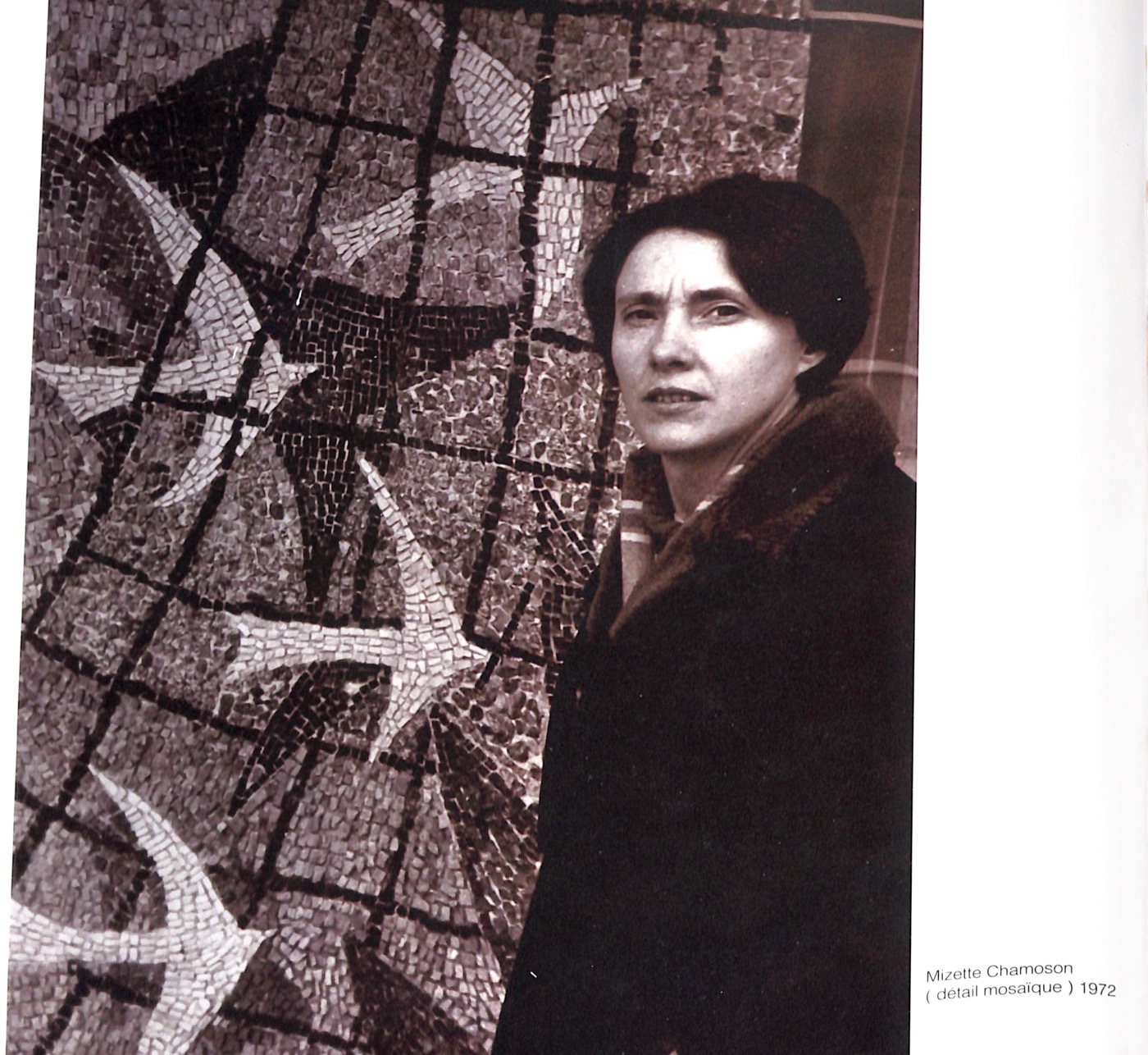
Chamoson Mosaic
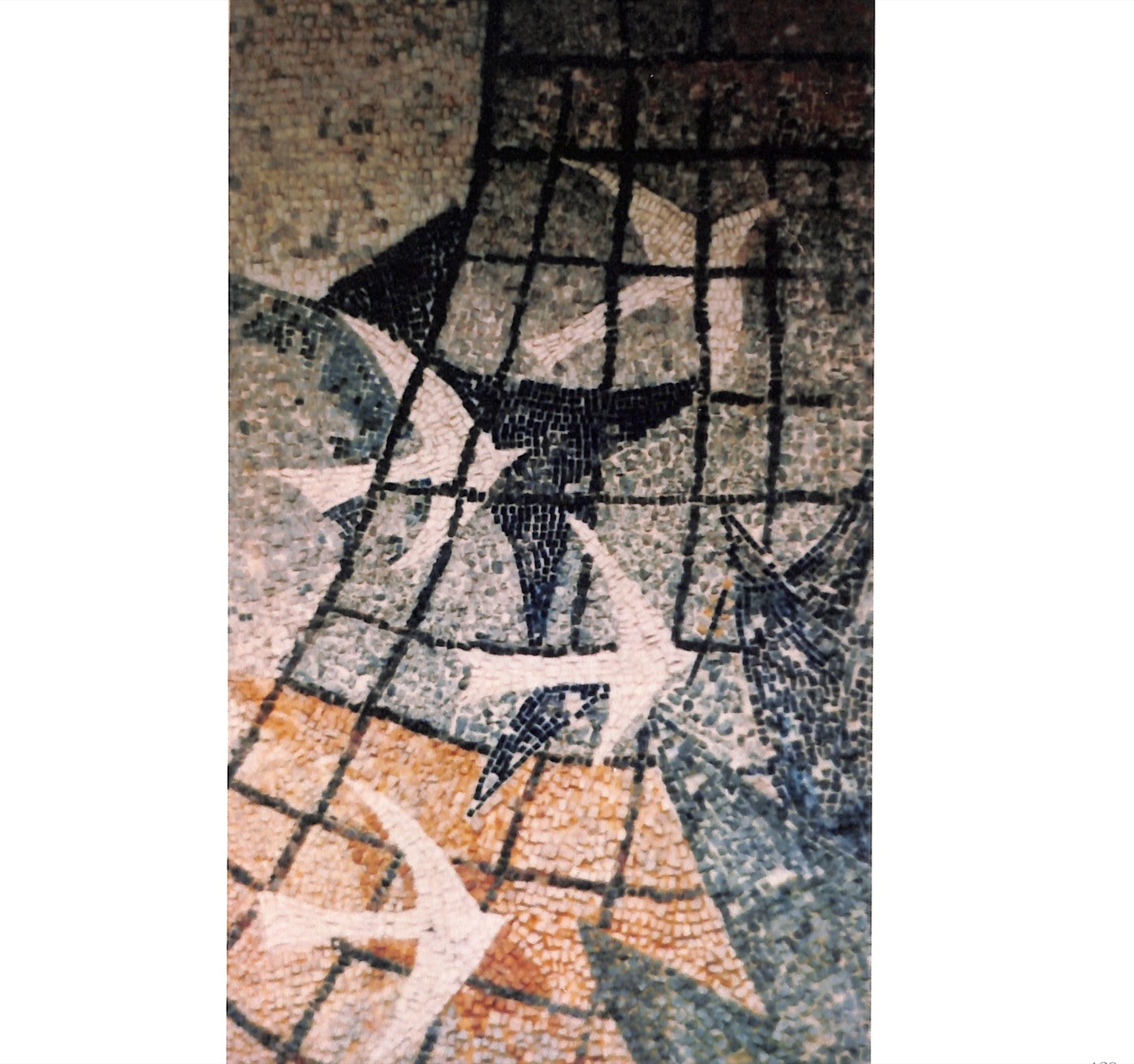
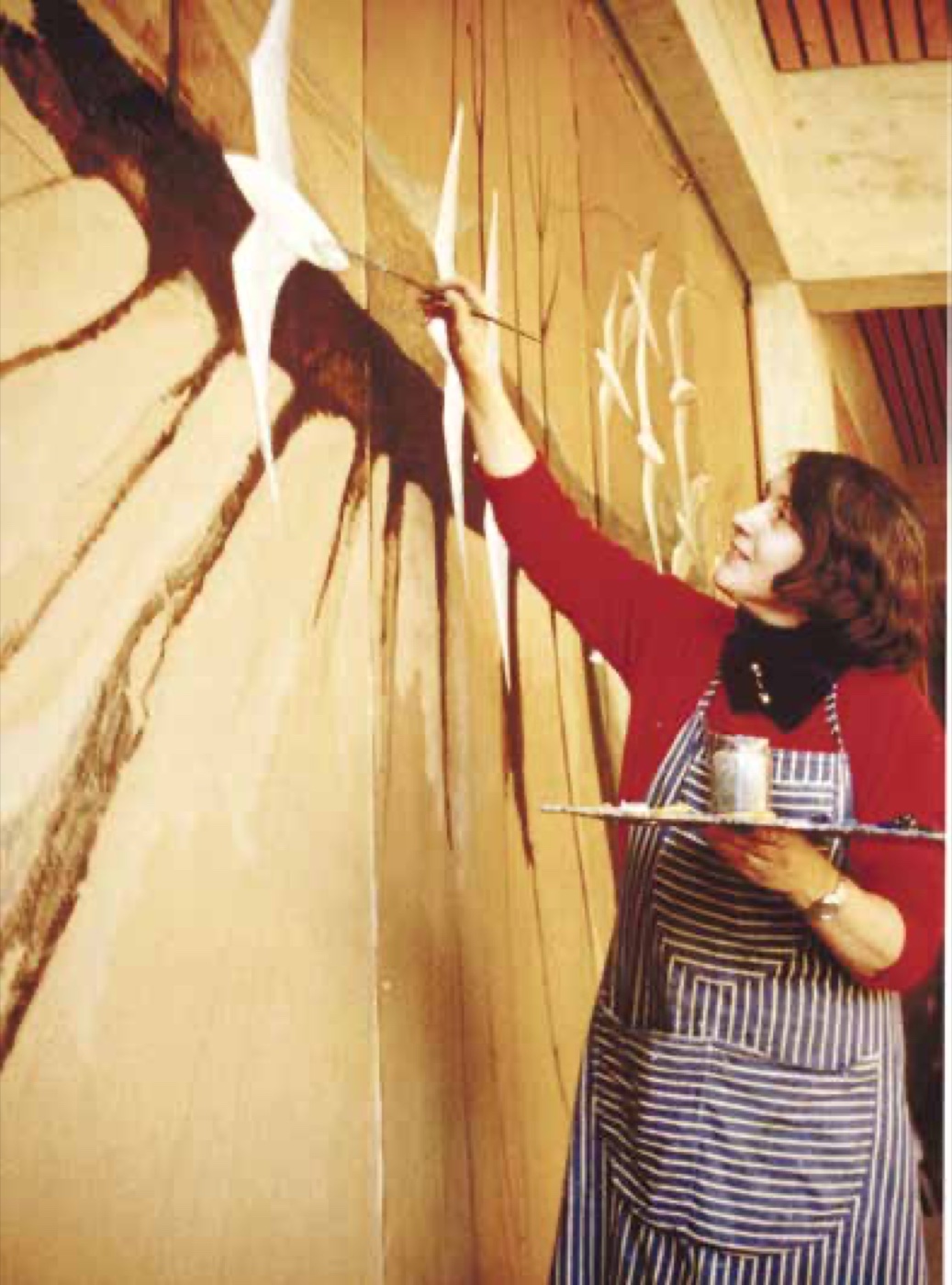
Monumental work for the town hall. White birds in flight on black tesserae.
1984 & 1991
Gianadda Foundation
Two monograph catalogues by Pierre Gianadda Foundation editions. Solo exhibition in 1997.
1987–94
Heritage Switzerland Valais
President of the Valais branch. Seven years defending the canton’s built heritage.
2007
Retrospective at Le Manoir
“Half a century of painting” at Le Manoir de Martigny. Catalogue prefaced by Jean Zermatten.
2025+
La Voûte & the Foundation
Creation of a living place in the Grand Maison and a foundation carrying her work into the future.
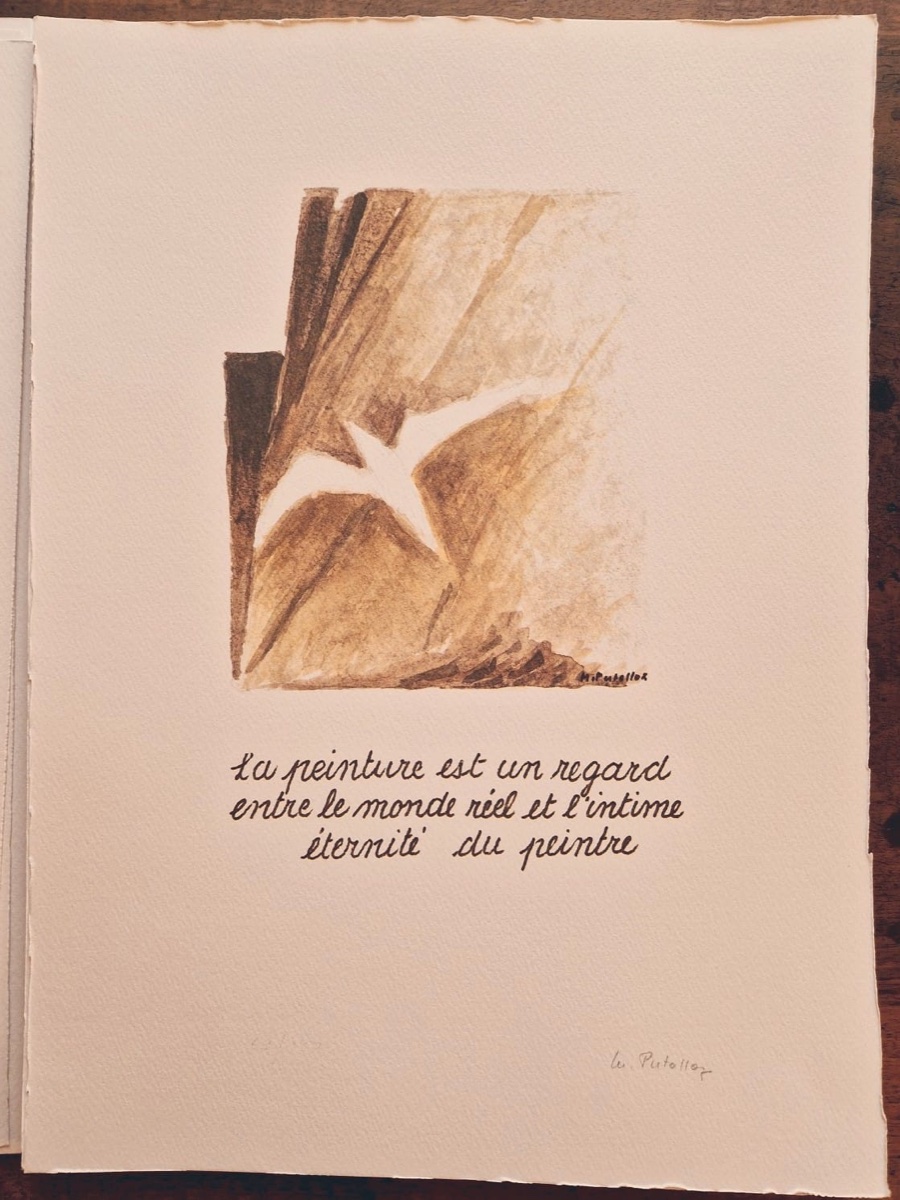
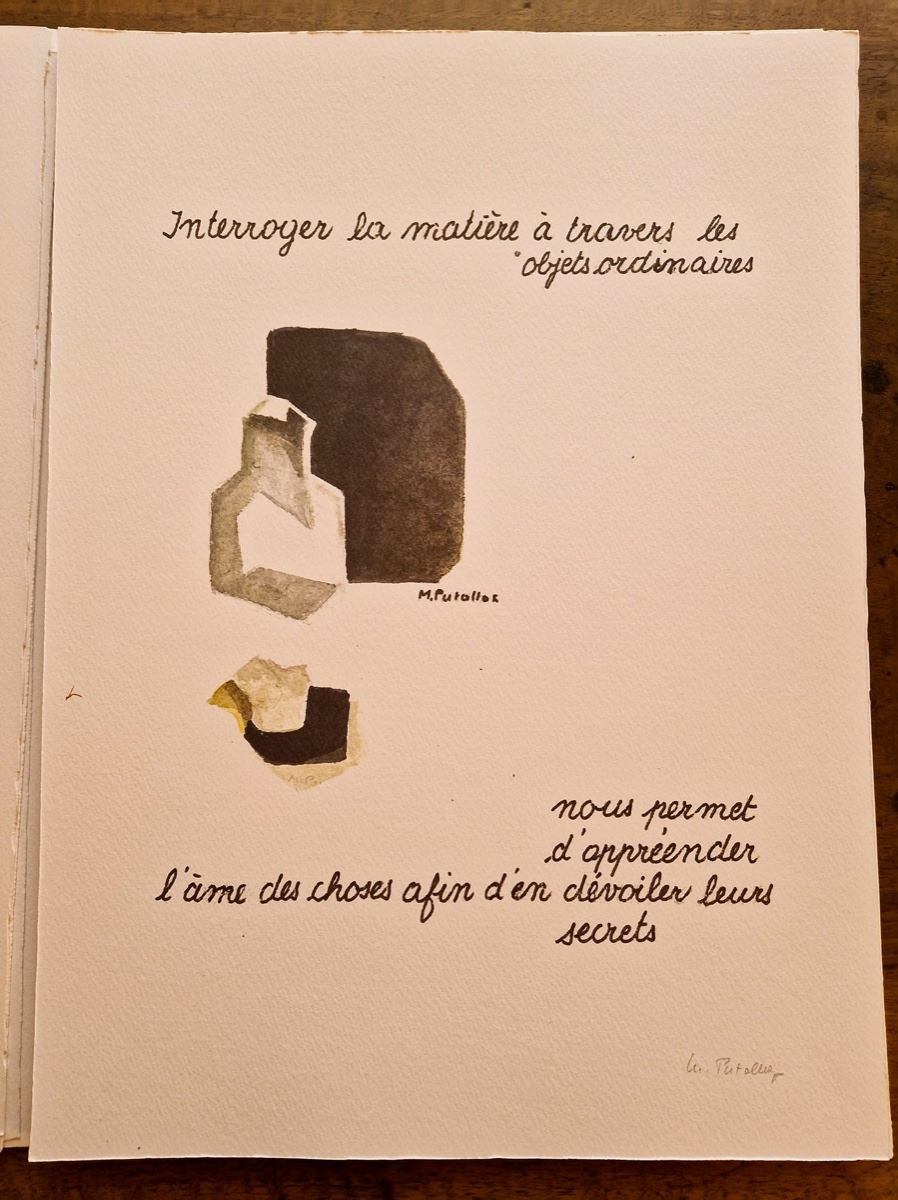
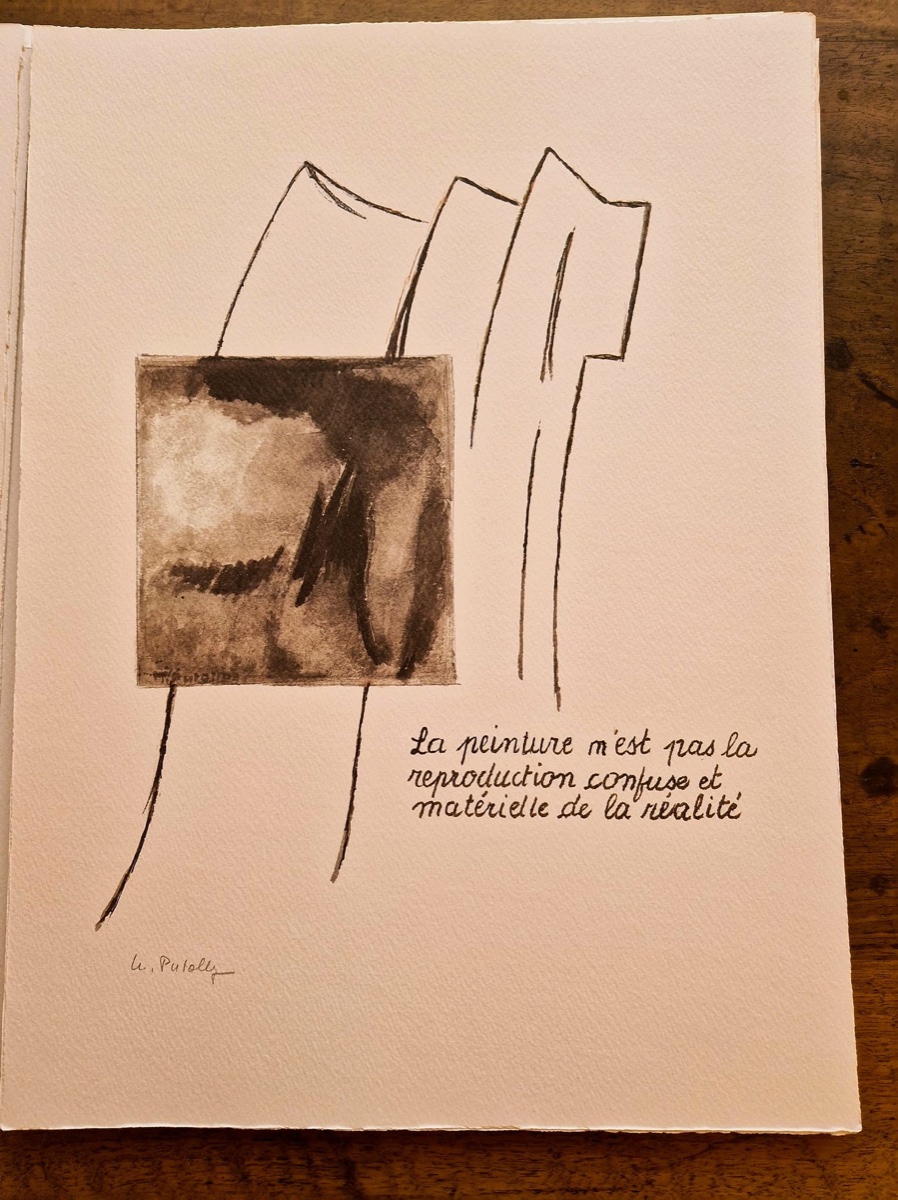
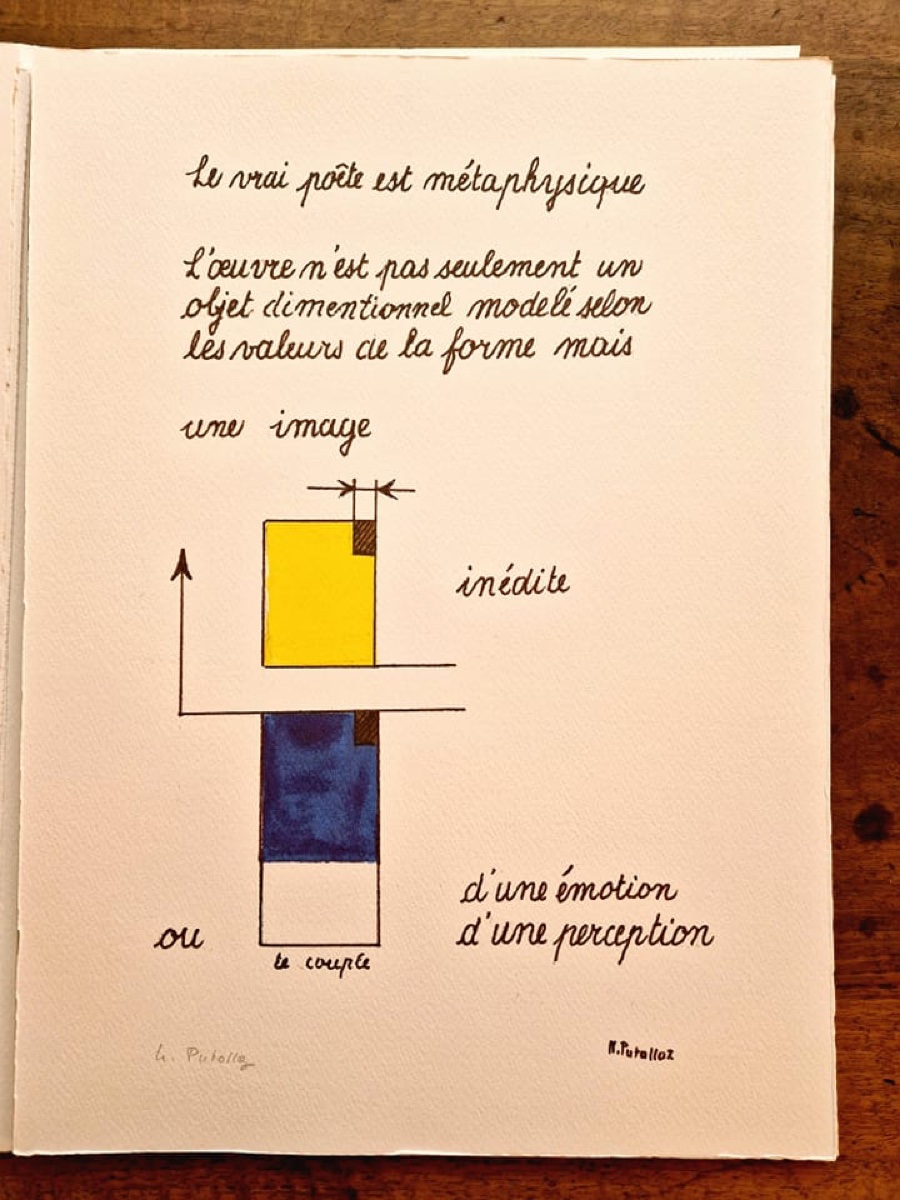
Hand-written
Handwritten quotations.
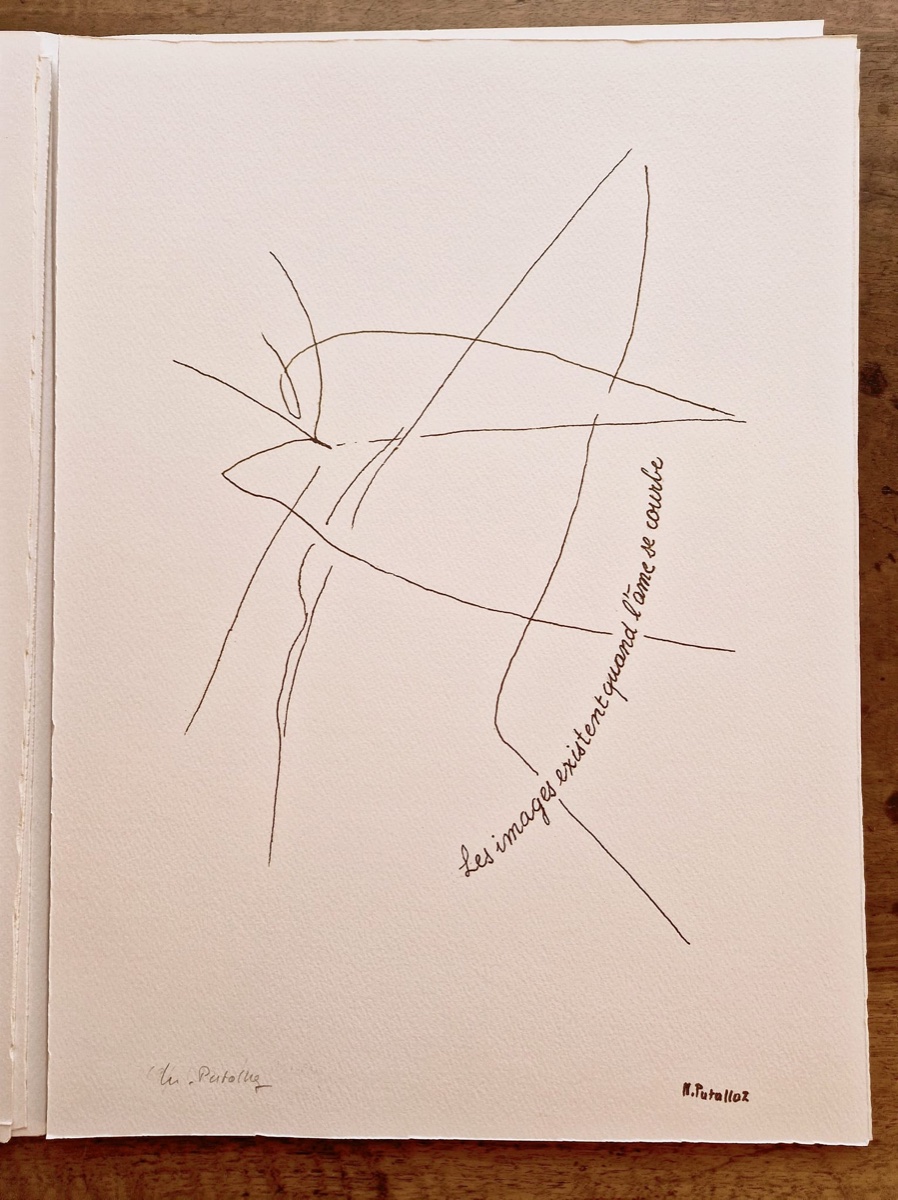
Original watercolours and writings. A thought traced in ink, facing matter.
“Painting is a gaze between the real world and the painter’s intimate eternity.”“To question matter through 'ordinary objects' lets us grasp the soul of things and unveil their secrets.”“Painting is not the confused, material reproduction of reality.”“The true poet is metaphysical: the work is not merely a dimensional object, but a fresh image of an emotion, a perception.”“Images exist when the soul bends.”
Art criticism
Jean Zermatten, 2007.
Excerpt from the introductory essay to the catalogue Half a century of painting — Mizette Putallaz, Le Manoir de Martigny, June 2007.
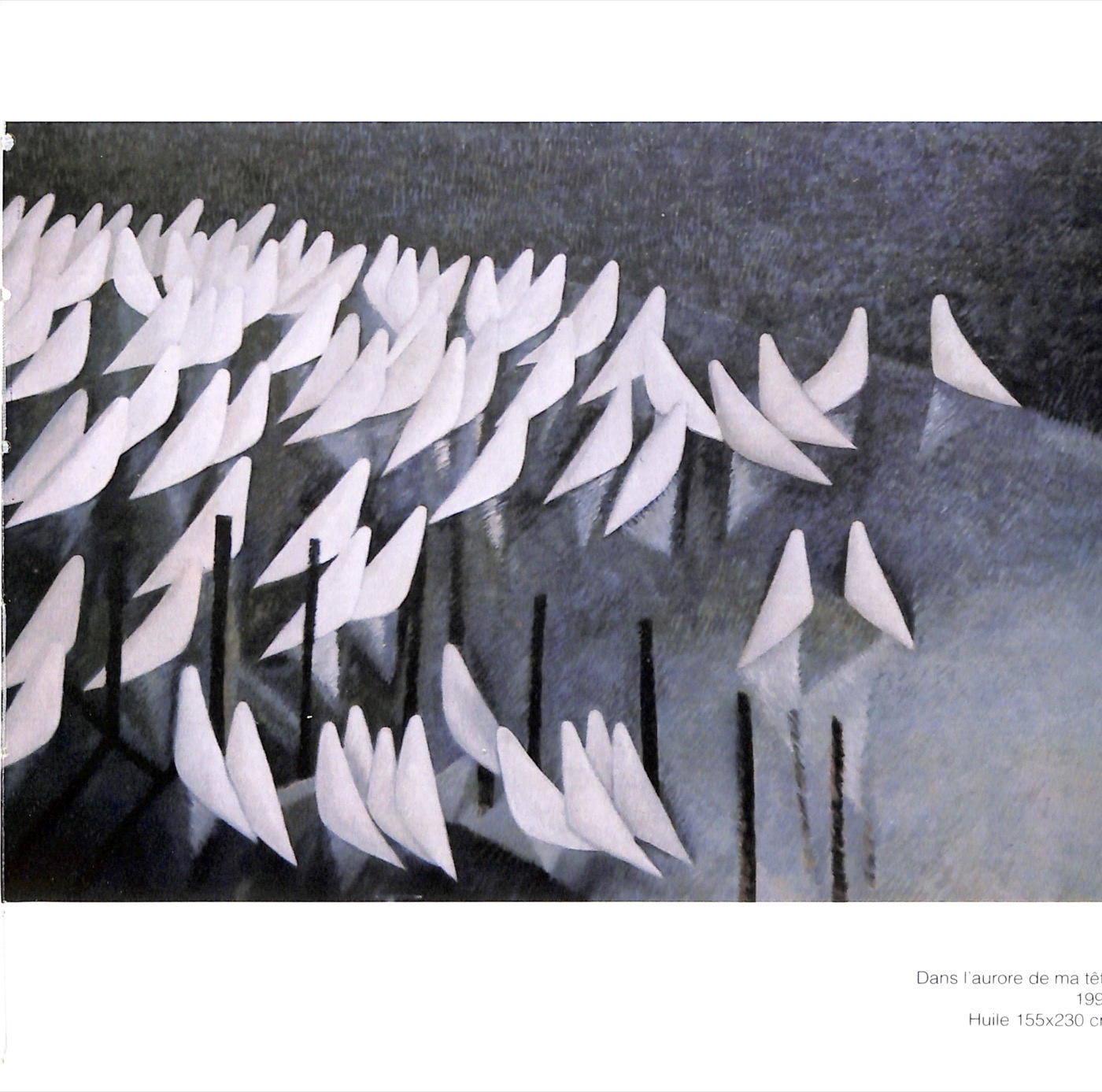
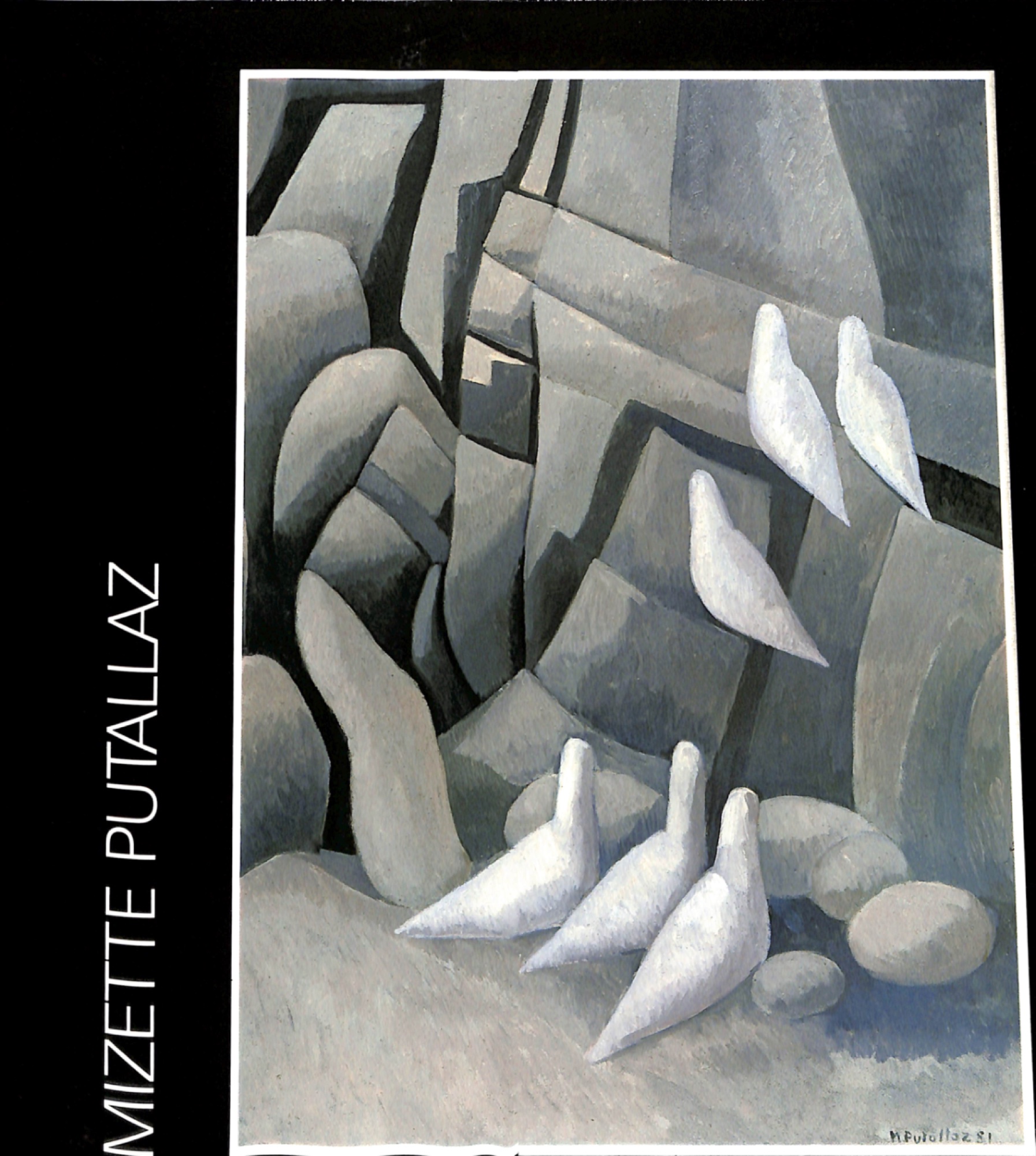
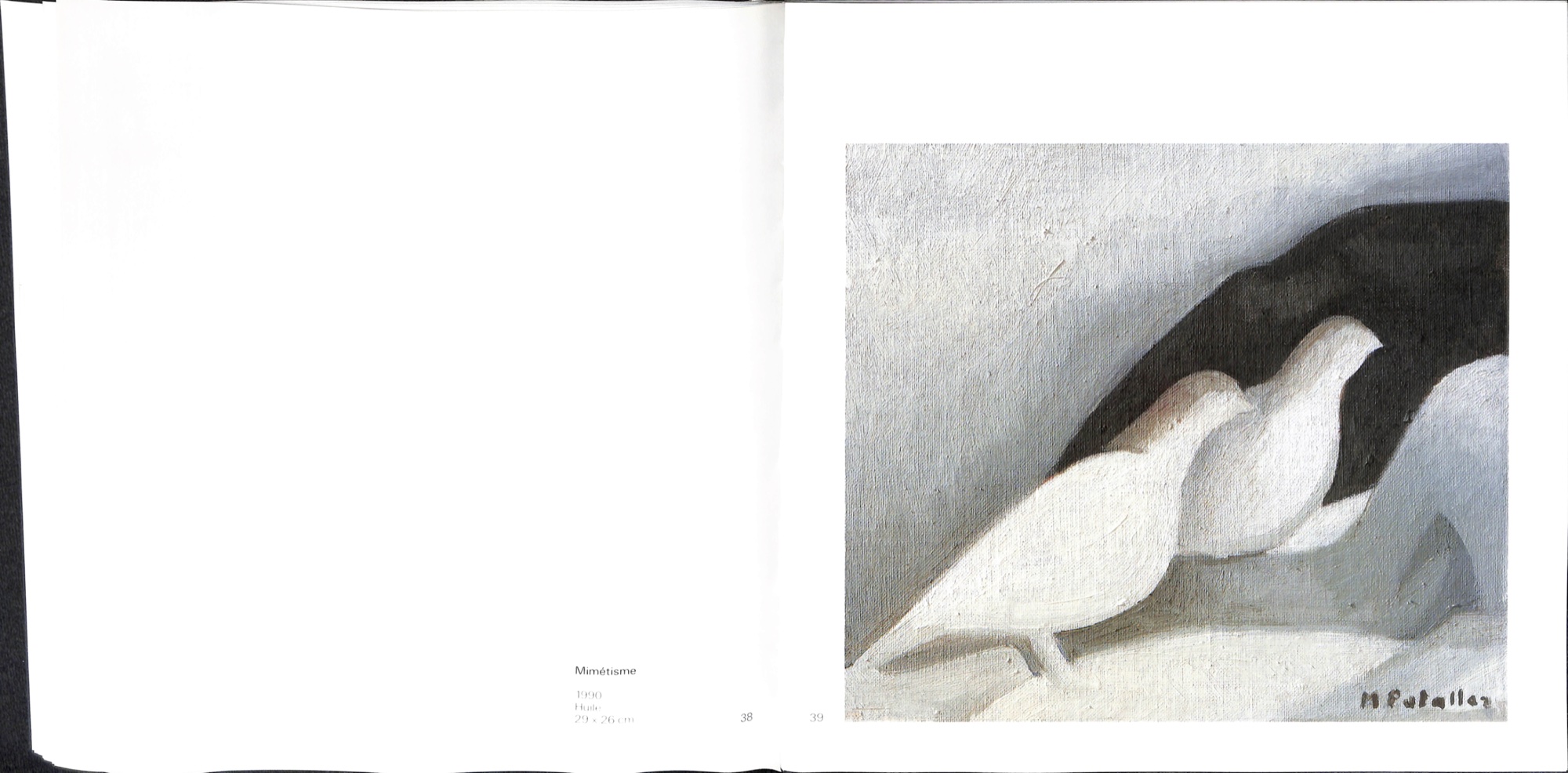
Toward what great silence do Mizette Putallaz’s white birds fly? Doves, pigeons, albatrosses, gulls, on blue or white grounds — like crosses planted in the azure, silent signs, wings spread, peace and meditation.
— Jean Zermatten
The work, essentially figurative, is never merely descriptive: it carries meaning. Mizette loves colours and music that whisper softly. Here, what is needed is calm, stillness, sense.
“Harmony” is certainly the key word — quietness, balance, peaceful aesthetic force. Expression and inwardness. Poetry and Peace.
Jean Zermatten · June 2007
Selected works
Paintings.
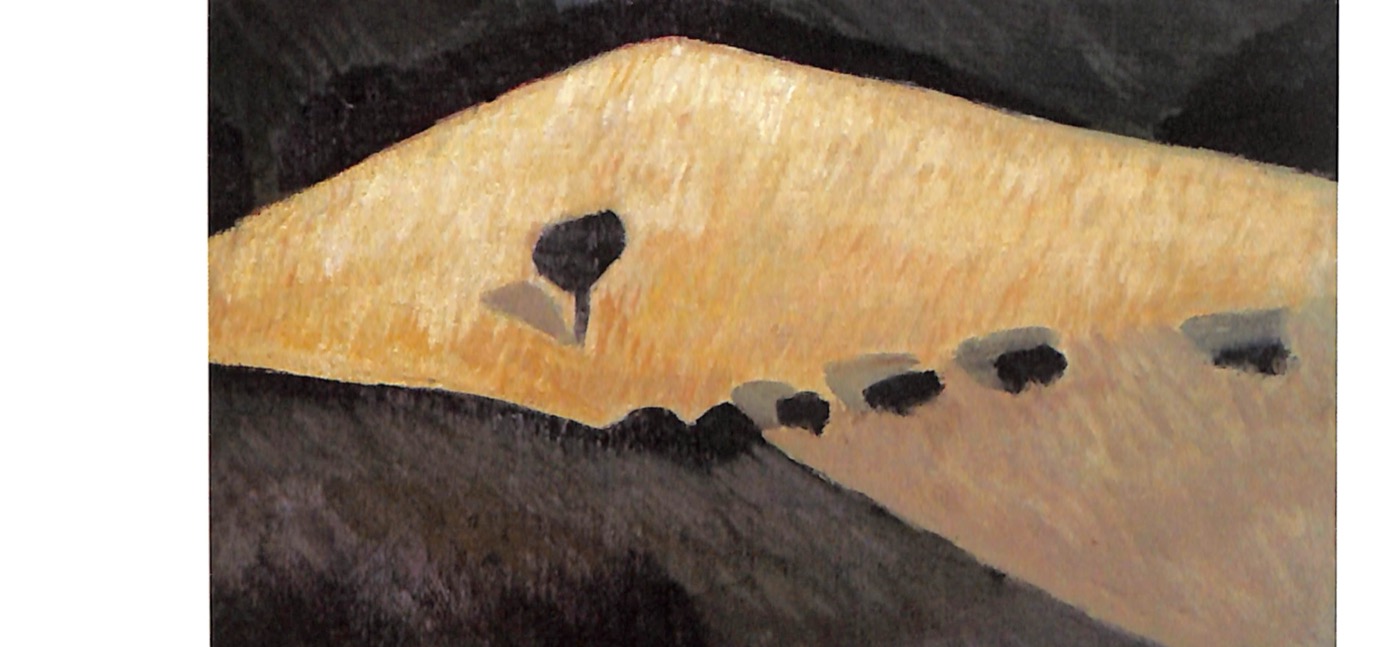
A selection from the catalogues Half a century of painting (Le Manoir, 2007) and Pierre Gianadda Foundation — more than seventy years of works: oils, frescoes and mosaics.
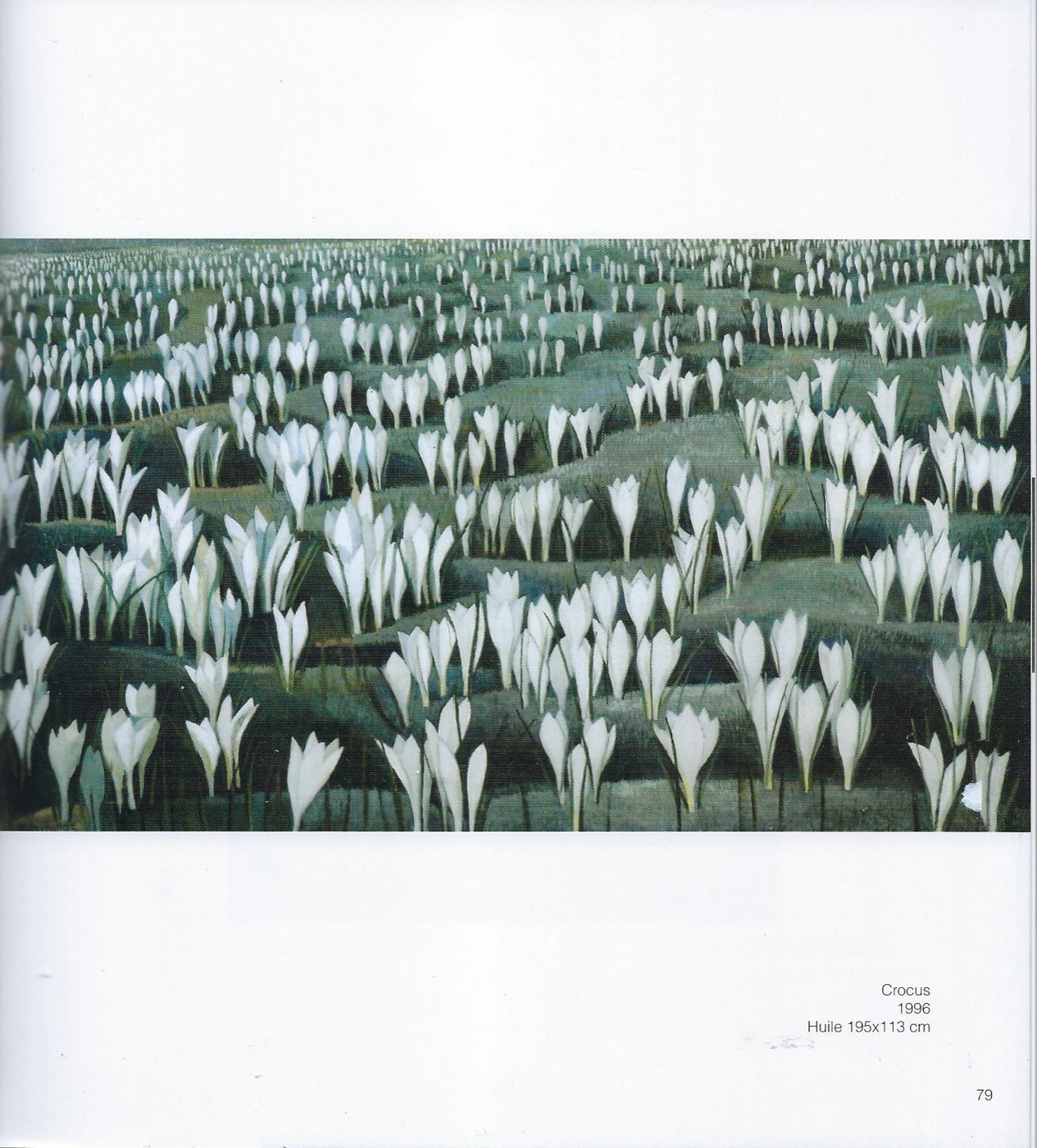
Crocus1996 · Huile · 195 × 113 cmCatalogue “Half a century of painting” · 2007
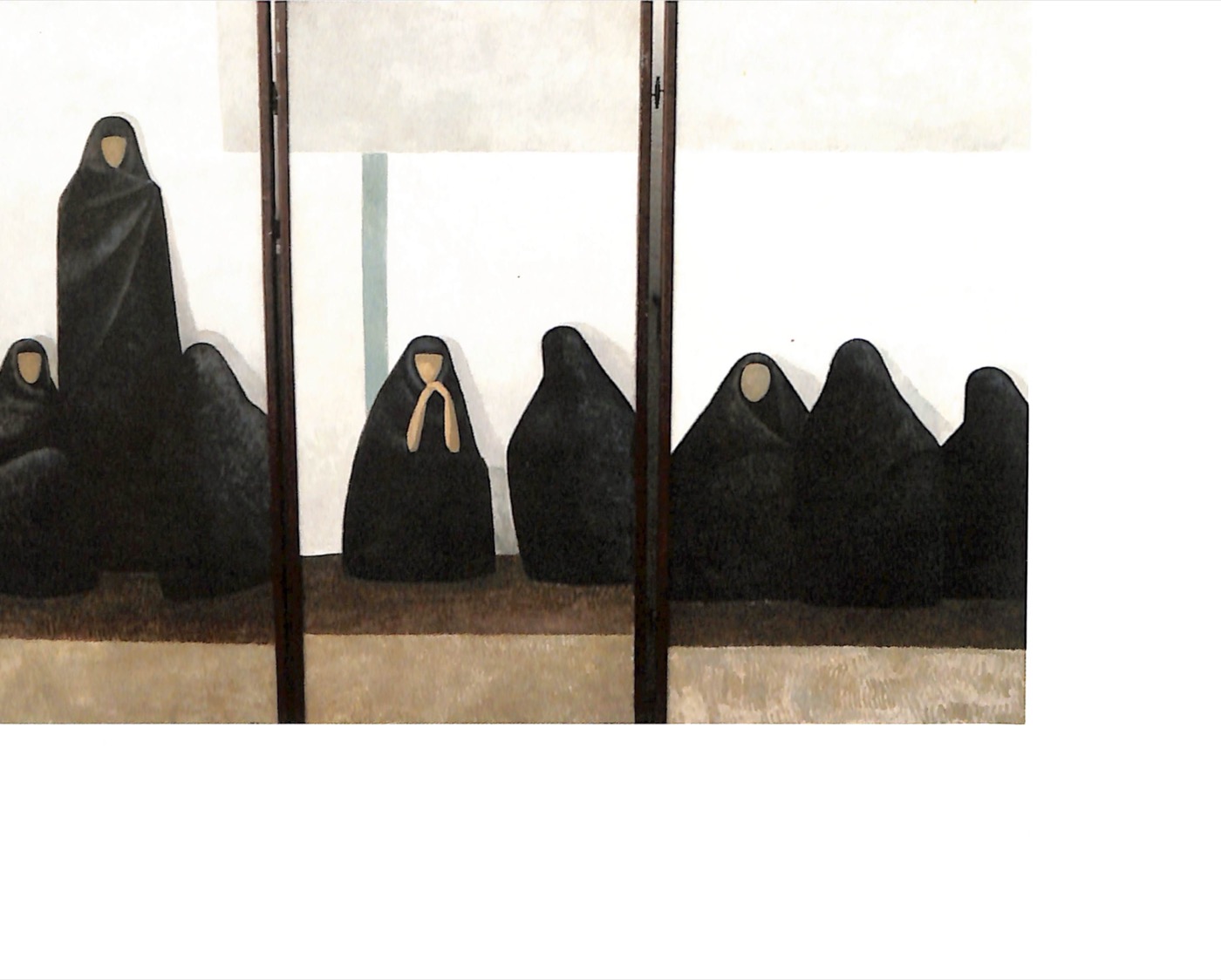
Triptych — Egyptian Women1985 · Huile · 3 × 182 × 82 cmCatalogue “Half a century of painting” · 2007
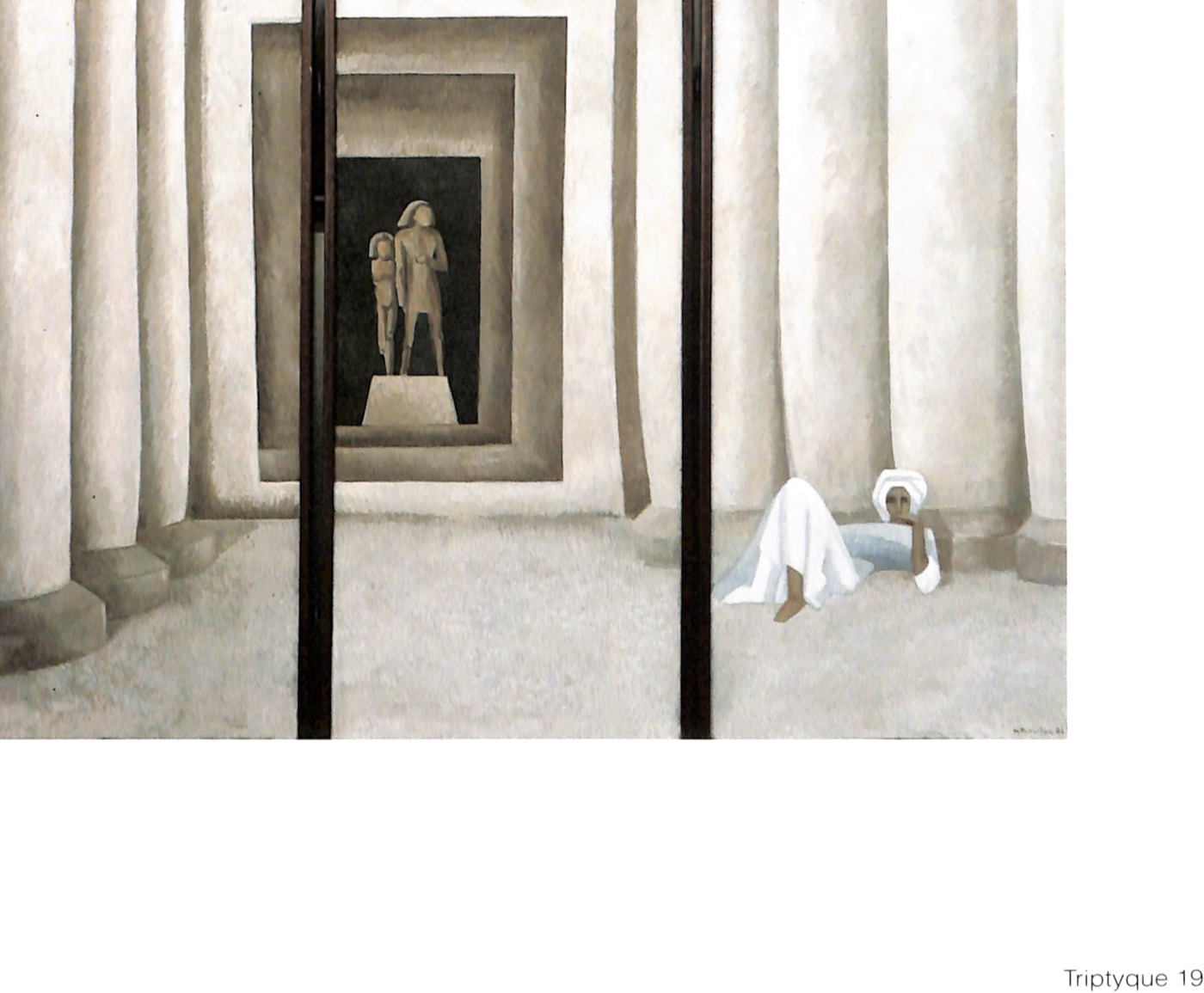
The temple guardian1985 · Huile · 3 × 182 × 82 cmCatalogue “Half a century of painting” · 2007
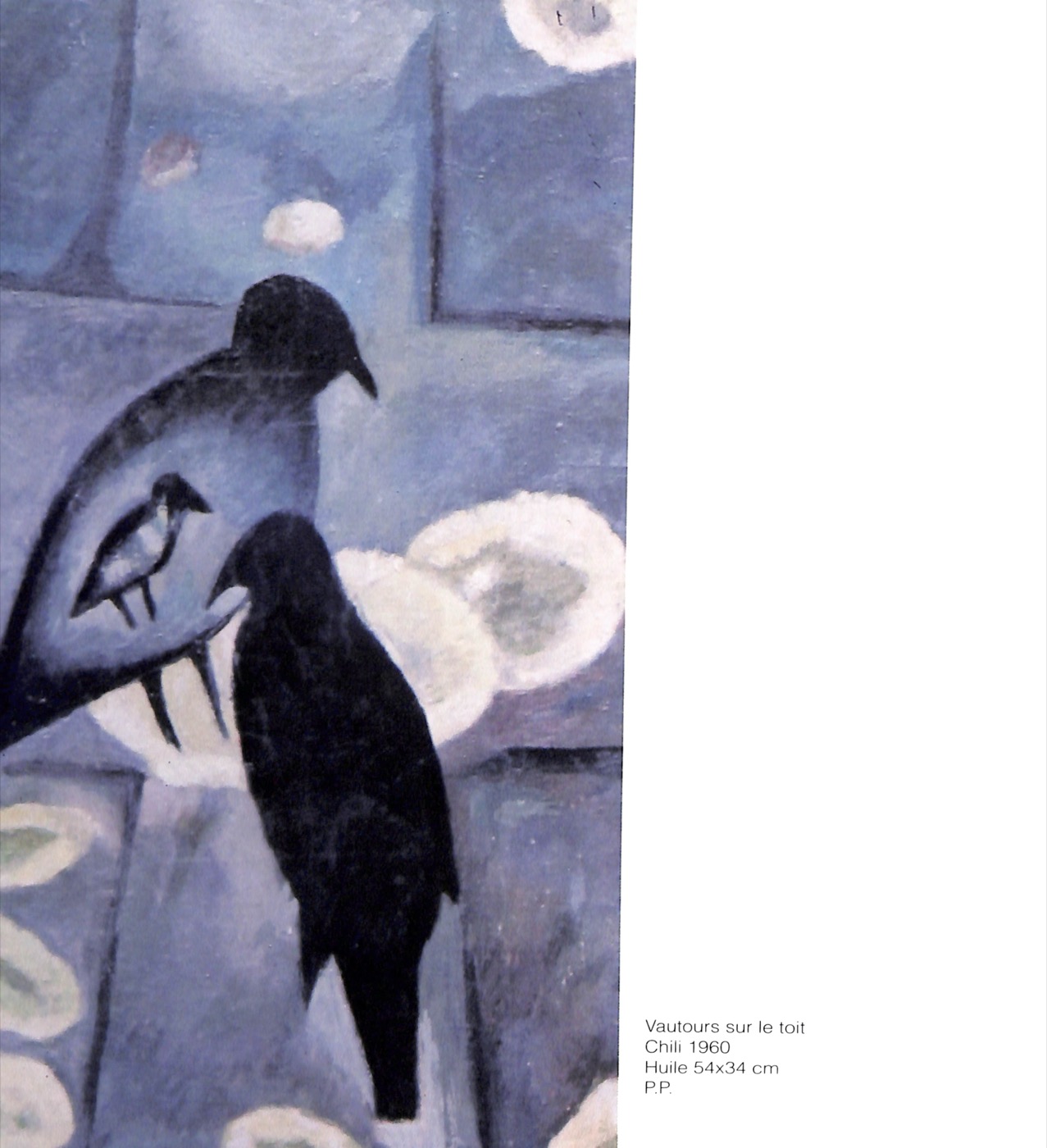
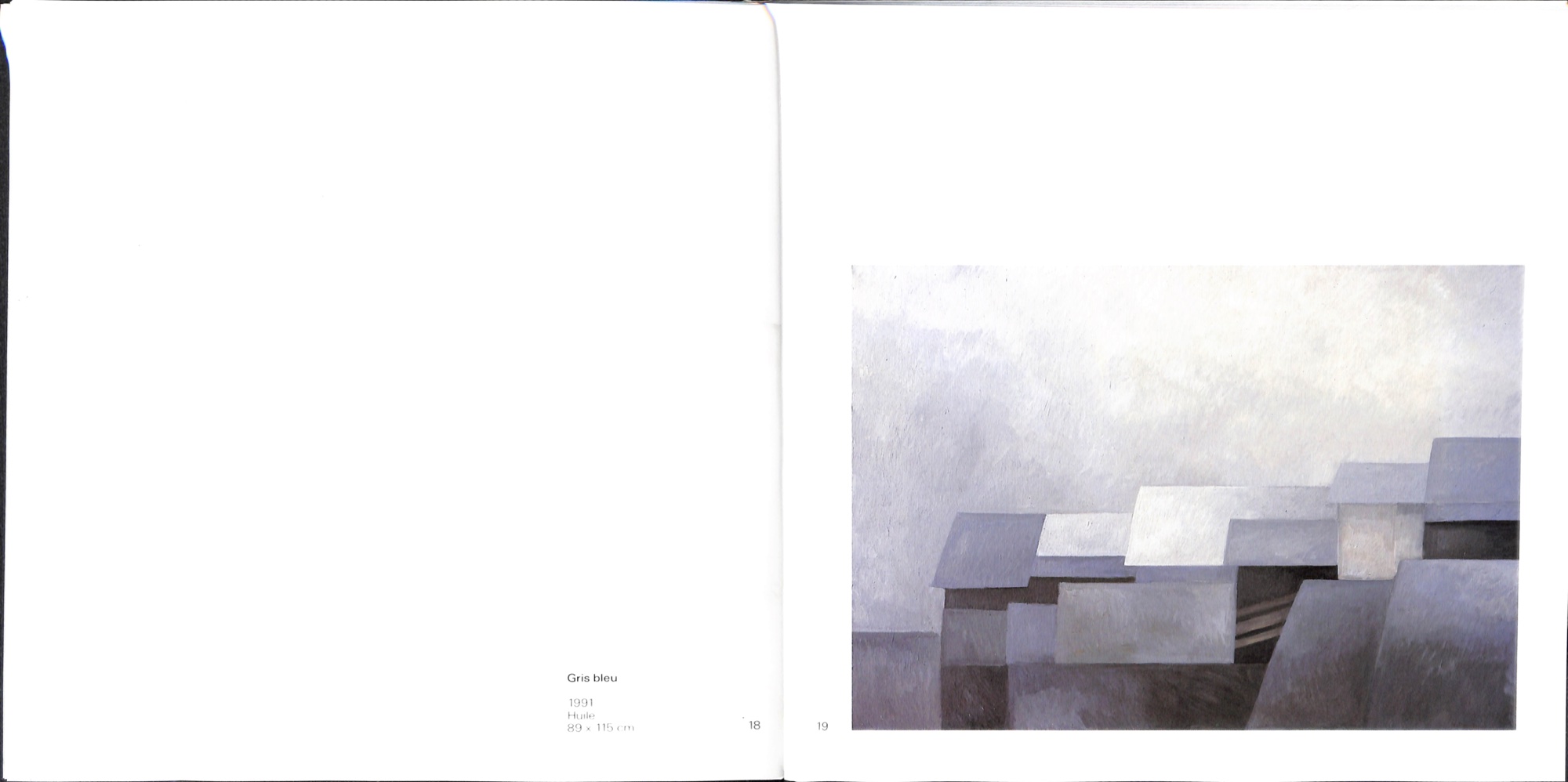
Jackdaws on the roofHuile · 110 × 120 cmCatalogue “Half a century of painting” · 2007
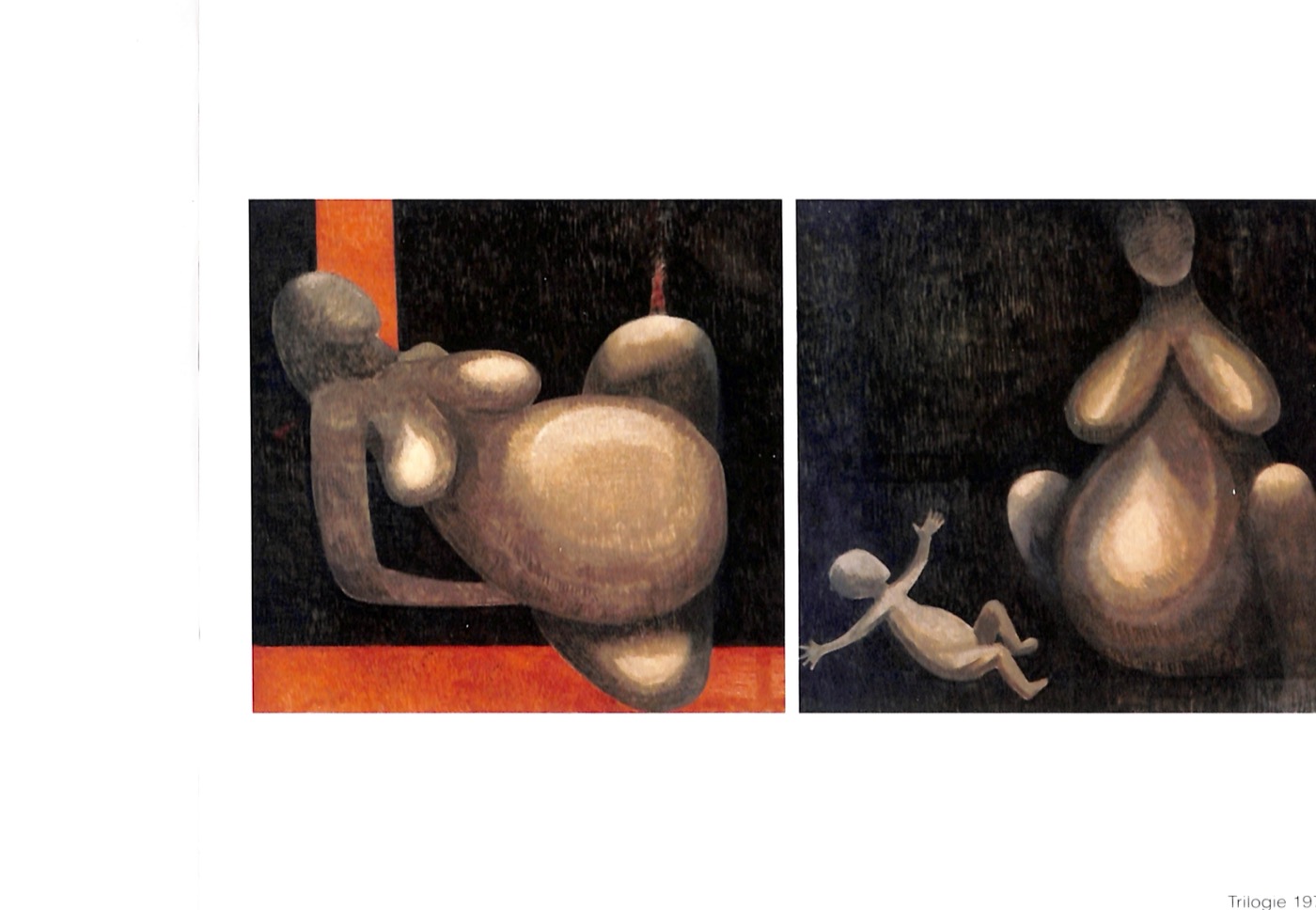
Trilogy — Fertility1976 · Huile · 90 × 90 cm (×3)Pierre Gianadda Foundation · 1984
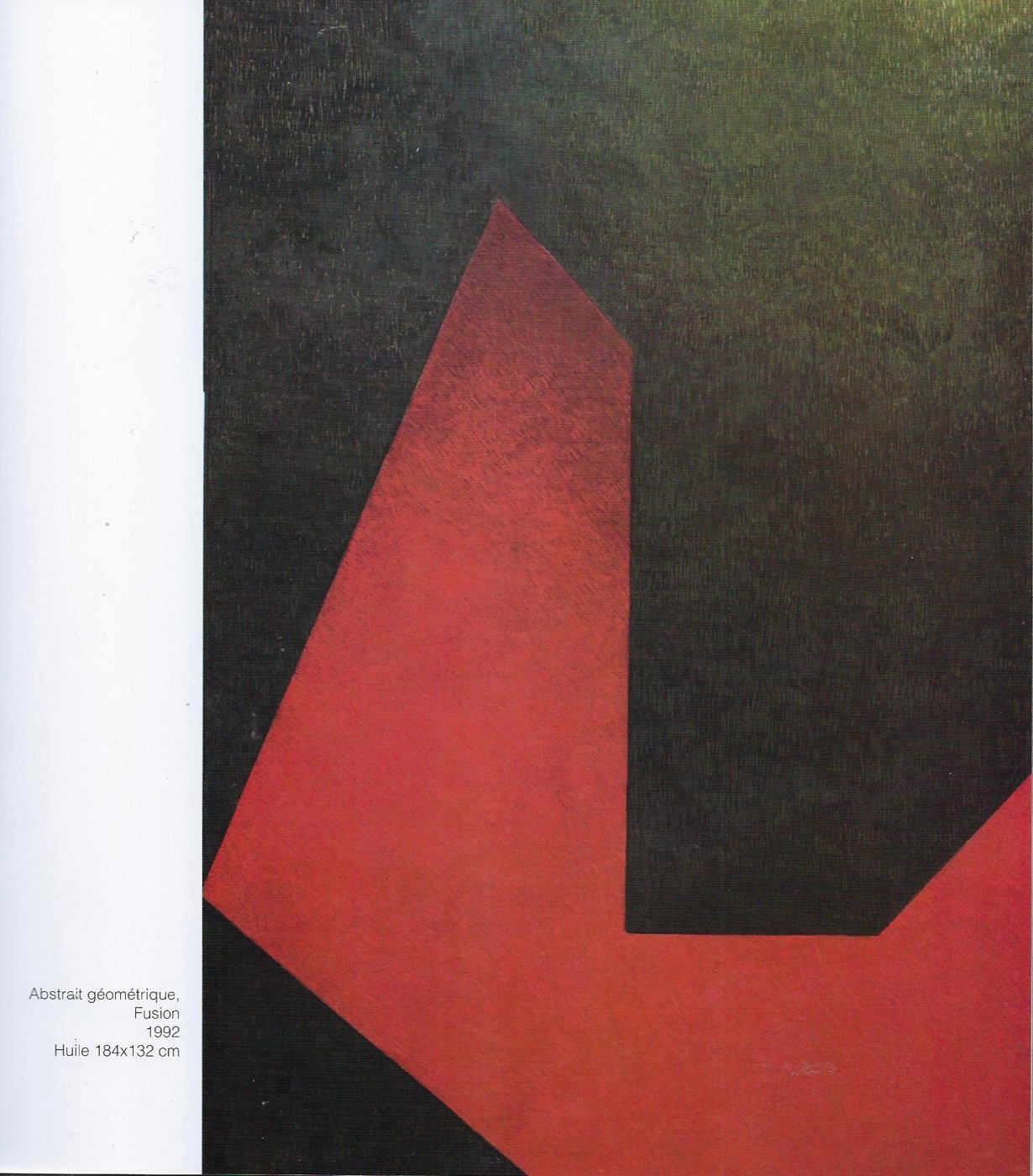
Geometric Abstract — Fusion1992 · Huile · 184 × 132 cmCatalogue “Half a century of painting” · 2007
Chamoson Mosaic1972 · Maison de CommuneMonumental work
Art is like life. To make art is to establish harmony between the various aspects of existence.
— Mizette Putallaz, 2007 catalogue
Recognition
Pierre Gianadda Foundation.
Three appearances at the Pierre Gianadda Foundation in Martigny — Valais’s major art institution and one of Switzerland’s most-visited private museums — that marked Mizette Putallaz’s work and inscribed it into the cantonal heritage.
Mizette Putallaz Catalogue · Pierre Gianadda Foundation Editions
Catalogues & exhibition
Three stages, twenty years of loyalty.
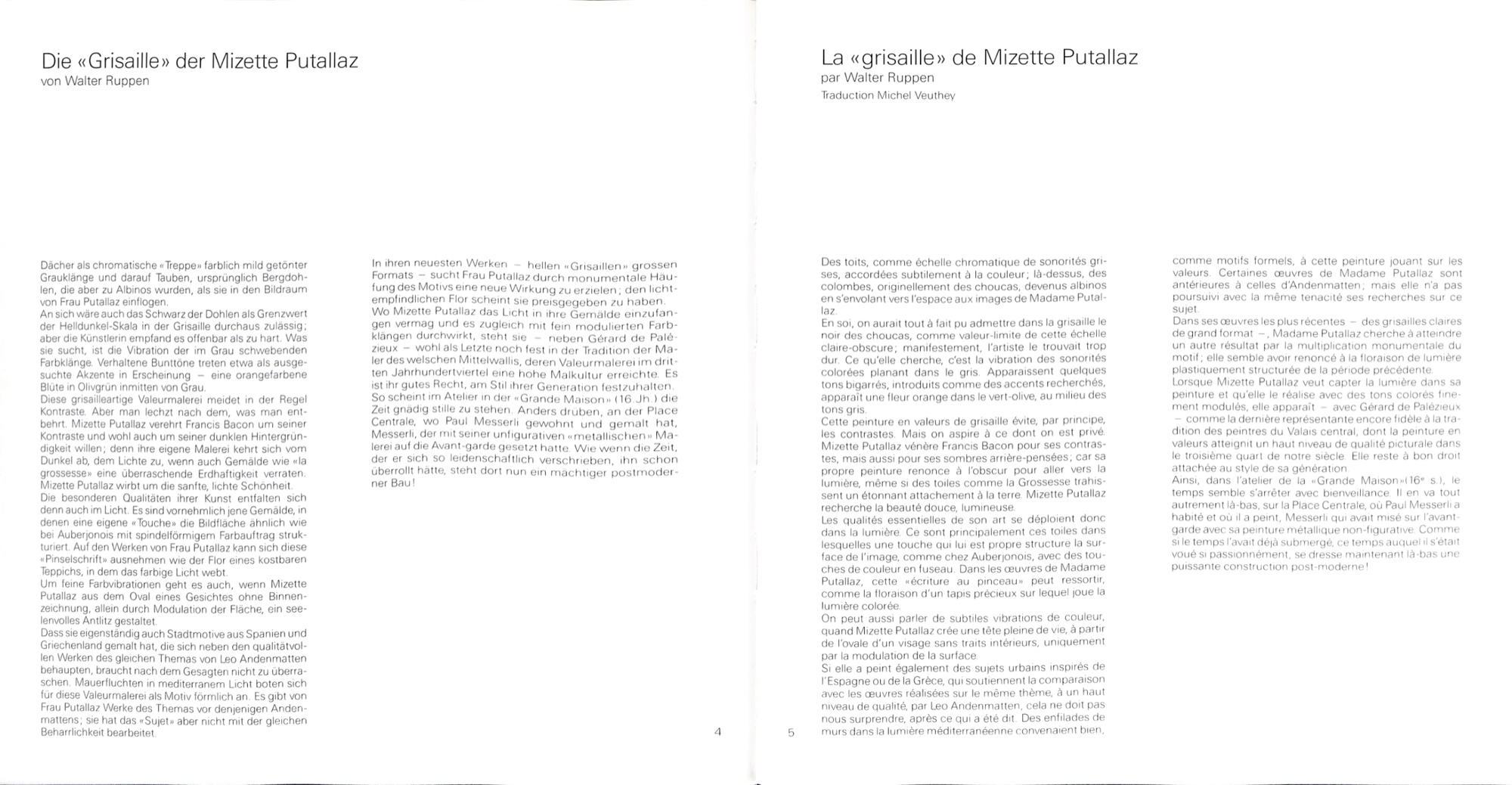
The Pierre Gianadda Foundation — host to Picasso, Chagall, Van Gogh, Rodin — publishes monographs of Mizette Putallaz in 1984 and 1991. In 1997, the museum dedicates a solo exhibition to her.
These appearances inscribe her oils in the Valais artistic conversation, alongside the greatest.
Catalogue · 1984Pierre Gianadda Foundation Editions
Catalogue · 1991Pierre Gianadda Foundation Editions